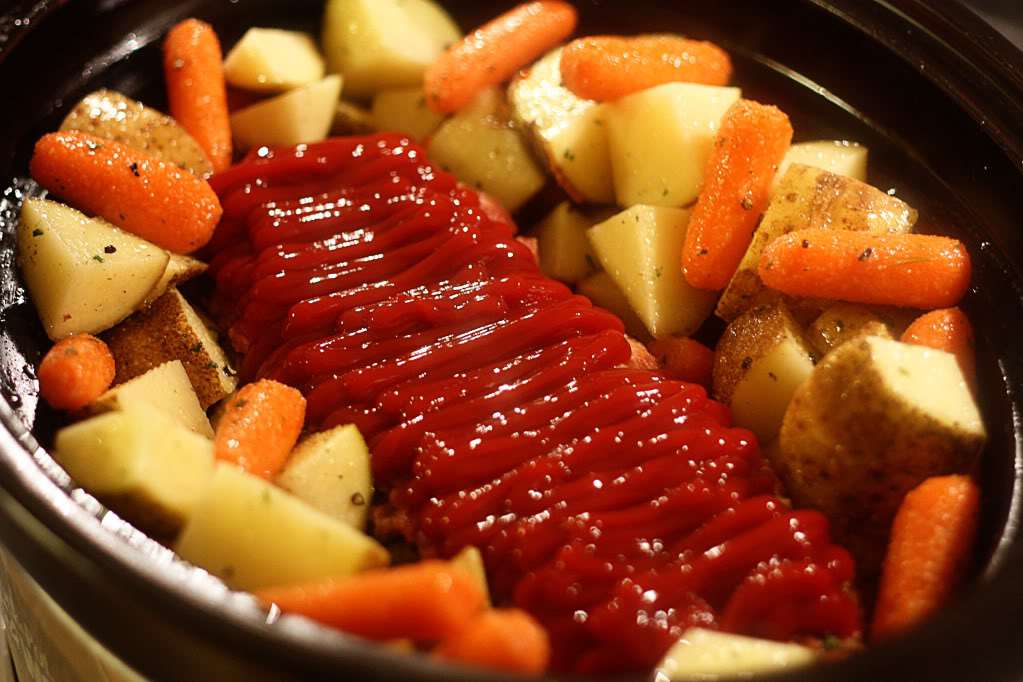
Avoid Soggy Meatloaf: How to Add Veggies to Turkey Loaf for Crockpot Perfection
For many of us, meatloaf conjures up childhood memories – some fond, some perhaps less so. But as adults, this classic comfort food has found its way back into our hearts, especially when we discover how versatile and healthy it can be. One of the best ways to elevate a traditional meatloaf, particularly a lighter turkey version, is by incorporating a generous helping of vegetables. The challenge, however, often lies in doing so without turning your succulent loaf into a soggy mess. This is especially true when venturing into the world of crockpot meatloaf with vegetables, where moisture management is paramount.
Turkey meatloaf with vegetables offers a fantastic blend of lean protein and essential nutrients. It's a meal that's not only delicious but also remarkably freezer-friendly, making it an ideal candidate for meal prepping. Imagine pulling out a few pre-sliced pieces for a quick, wholesome dinner without any fuss. The secret to achieving this healthy, held-together masterpiece, whether baked or slow-cooked, lies in understanding how to properly prepare your veggies.
The Quest for the Perfect Crockpot Meatloaf with Vegetables
Switching from a conventional oven to a crockpot for your meatloaf brings a whole new level of convenience. A slow cooker allows for a hands-off approach, gently cooking your loaf to tender perfection while you go about your day. However, the moist environment of a crockpot can amplify the dreaded "soggy meatloaf" problem if not managed correctly. This is where our focus on vegetable preparation becomes even more critical for a successful crockpot meatloaf with vegetables.
Why Lean Turkey and Veggies are a Winning Combination
Turkey is a leaner alternative to beef, offering a lighter take on meatloaf without sacrificing flavor. When combined with vegetables, you create a powerhouse meal that's lower in fat and packed with vitamins, minerals, and fiber. This makes it an excellent choice for a healthy family dinner. The subtle flavor of turkey also allows the natural sweetness and earthiness of the vegetables to shine through, creating a more complex and satisfying dish.
Prepping Your Veggies: The Secret to Avoiding Soggy Meatloaf
The number one rule for adding vegetables to meatloaf, particularly for a slow-cooked version, is to manage their moisture content. Raw vegetables, especially those with high water content like zucchini or mushrooms, will release a significant amount of liquid during the cooking process. In a sealed crockpot, this liquid has nowhere to go, leading to a watery, crumbly meatloaf.
The Best Vegetables for Slow Cooker Success
While you can certainly experiment with various vegetables, some work particularly well in meatloaf. Classic choices often include:
- Carrots: Add sweetness and a vibrant color. Grate them finely.
- Zucchini: A fantastic way to add moisture (after pre-cooking!) and nutrients. Finely dice or grate.
- Mushrooms: Provide an umami depth of flavor and a meaty texture. Chop them very small.
- Bell Peppers: Add a lovely crunch and sweetness. Fine dice is best.
- Onions: Essential for flavor, always sauté them first.
- Spinach: Wilted and squeezed dry, it's a great nutrient booster.
Remember, the goal is to make these vegetables almost "disappear" into the meatloaf, especially if you're cooking for picky eaters. Finely dicing, grating, or even 'ricing' them (as you might do with cauliflower) works wonders.
Sauté First, Savor Later: Moisture Control is Key
This step is non-negotiable for a non-soggy meatloaf, whether baked or slow-cooked. Sautéing your vegetables before mixing them with the meat serves several crucial purposes:
- Releases Moisture: Heat extracts water from the vegetables. By doing this in a pan, you can evaporate the excess liquid before it ever reaches your meatloaf mixture.
- Softens Texture: Sautéing softens the vegetables, ensuring they cook through evenly with the meat and don't create an undesirable crunch in the finished loaf.
- Develops Flavor: Browning vegetables in a pan caramelizes their natural sugars, intensifying their flavor profile and adding depth to your meatloaf.
When sautéing, cook the vegetables until they are tender and most of their liquid has evaporated. You shouldn't see any pooling moisture in the pan. Let them cool slightly before adding to the meat mixture.
Assembling Your Flavorful Turkey Loaf for the Crockpot
Once your vegetables are prepped, assembling the meatloaf is straightforward. The key is to combine ingredients gently and avoid overmixing, which can lead to a tough loaf. For a successful crockpot meatloaf with vegetables, the binding ingredients are just as important as the veggie prep.
Getting the Balance Right: Veggie-to-Meat Ratio
While it's tempting to cram as many vegetables as possible into your meatloaf for an extra health boost, there's a limit to how much the mixture can bind together. Our experience shows that using anywhere from 1 to 1.5 cups of sautéed, finely chopped vegetables per pound of ground turkey works beautifully. When we tried pushing it to 2 to 2.25 cups, the loaf struggled to hold its shape and became too moist. So, resist the urge to overstuff; a little goes a long way in adding flavor and nutrition without compromising texture.
Along with your pre-cooked veggies, don't forget your binding agents. Eggs are crucial for holding everything together, and breadcrumbs or rolled oats absorb any remaining moisture and provide structure. A little milk or broth can add a touch of moisture *into* the mixture (not from the veggies!), but be mindful of the amount since the crockpot retains so much.
Forming and Glazing for Crockpot Perfection
When preparing your meatloaf for the crockpot, consider its shape. A traditional loaf shape will work, but you can also form it into smaller, thicker logs or even individual patties if you prefer quicker cooking times. Ensure the loaf isn't too thick in any one area to promote even cooking. A great trick for crockpot meatloaf is to create a "sling" out of aluminum foil or parchment paper to easily lift the cooked loaf out of the pot without it breaking apart. This also helps elevate it slightly from any juices that might accumulate at the bottom.
For that classic meatloaf finish, a glaze is essential. While a traditional BBQ sauce is a popular choice, you can also opt for a simple ketchup glaze, a tangy brown sugar and mustard mixture, or even a mushroom gravy. Apply the glaze about halfway through the cooking time to allow it to meld with the meatloaf without burning. If you're looking for a healthier option for a special occasion, you might enjoy our Easy Turkey Meatloaf with Vegetables: A Healthy Dinner Guide, which includes various glazing ideas.
Slow Cooking to Succulent Perfection: Tips for Crockpot Meatloaf
The beauty of a slow cooker is its low and slow approach, which yields incredibly tender and flavorful results. However, managing moisture and ensuring proper doneness are key for a crockpot meatloaf with vegetables.
Combatting Excess Moisture in the Slow Cooker
Despite pre-cooking your vegetables, the crockpot's sealed environment can still trap excess moisture. Here are a few strategies:
- Elevate Your Loaf: Use crumpled aluminum foil balls or a few onion slices at the bottom of the crockpot to create a small "rack." This keeps the meatloaf out of any liquid that renders out during cooking.
- Partial Lid Placement: In the last hour of cooking, you might slightly crack the lid to allow some steam to escape, helping to firm up the exterior.
- Drain Excess Liquid: If you notice a significant amount of liquid pooling around your meatloaf, you can carefully tip the crockpot to drain some of it away during cooking.
- Don't Overfill: Ensure there's enough space around your meatloaf for steam to circulate a bit.
Generally, a 2-pound turkey meatloaf will cook in a crockpot on LOW for 6-8 hours or on HIGH for 3-4 hours. Always use a meat thermometer to ensure the internal temperature reaches 160°F (71°C) for turkey. Allow it to rest for 10-15 minutes after cooking before slicing to allow the juices to redistribute.
Beyond the Basics: Flavor Boosters and Serving Suggestions
Don't be afraid to experiment with herbs and spices to customize your turkey meatloaf. Fresh parsley, thyme, oregano, and rosemary all complement turkey beautifully. A pinch of smoked paprika can add a lovely depth. Serve your succulent crockpot meatloaf with classic sides like mashed potatoes, roasted sweet potatoes, a fresh green salad, or steamed green beans.
One of the greatest advantages of making turkey meatloaf with vegetables is its suitability for meal prep. Just like our reference source mentioned, making a double batch and freezing half is a brilliant time-saver. Consider pre-slicing the loaf before freezing, so you can easily grab just a few portions for a quick and satisfying meal. For more insights on this, check out our guide on Prep Ahead: Freezing Turkey Veggie Meatloaf for Quick Meals.
By following these steps, you can confidently add a wealth of healthy vegetables to your turkey meatloaf and cook it to perfection in your crockpot, ensuring a delicious, tender, and most importantly, non-soggy meal every time. Embrace the ease and flavor of crockpot meatloaf with vegetables – it might just become your new favorite weeknight dinner!
